Avoid Costly Outdoor Playhouse Mistakes: Your Complete Guide to a Safe, Fun Backyard Play Space
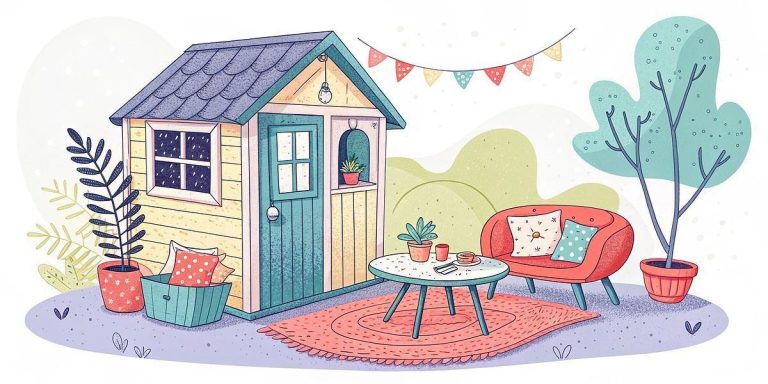
Creating an outdoor playhouse can be a delightful project that brings joy and imagination to your child’s playtime.
However, without careful planning, it’s easy to overlook crucial aspects that can lead to mistakes in outdoor playhouse design.
In this guide, we’ll explore these common pitfalls and provide practical solutions to help you create the perfect play space for your children.
Understanding Common Outdoor Playhouse Mistakes
Common outdoor playhouse mistakes often revolve around poor site selection, inadequate preparation, and overlooking safety features.
These errors can diminish the playhouse’s longevity, safety, and overall enjoyment.
Here are some typical mistakes parents make:
Site Selection and Preparation
- Choosing an inappropriate location: Placing a playhouse on uneven ground can lead to structural instability and water pooling. Additionally, areas with poor drainage or excessive sun exposure can accelerate wear and tear or make the playhouse uncomfortable.
- Insufficient ground preparation: Failing to level the site or provide a stable base (like gravel or concrete pavers) can compromise the playhouse’s foundation, leading to sinking or tilting over time.
- Ignoring local climate and soil conditions: Playhouses in rainy climates need good drainage, while those in sunny areas might require shade or UV-resistant materials. Soil type can also affect stability and moisture retention.
Structural and Safety Concerns
- Inadequate ventilation: Poor airflow can lead to a build-up of heat and humidity, making the playhouse uncomfortable and potentially fostering mold growth.
- Sharp edges or protruding elements: Playgrounds should be free of hazards. Exposed nails, splinters, or sharp corners pose a significant risk of injury to children.
- Lack of safety features: Missing railings on elevated sections, unsafe climbing structures, or inadequate fall zones around the playhouse can increase the risk of accidents.
- Using toxic materials or finishes: Lead-based paints, off-gassing plastics, or treated lumber not rated for play structures can pose health risks to children.
- Overlooking maintenance: Regular checks for loose boards, rust, or rot are crucial. Neglecting maintenance can turn minor issues into major safety hazards.
Design and Usability
- Playhouse size and scale: A playhouse that is too small can feel cramped and limit imaginative play, while one that is too large might overwhelm a yard or be impractical.
- Accessibility: Ensuring children of various ages and abilities can safely access and enjoy the playhouse is important. This includes considering step heights, door widths, and interior space.
- Sun exposure and shade: A playhouse that gets direct sun all day can become excessively hot. Lack of shade can limit play during warmer months.
Regulatory and Environmental Factors
- Ignoring local building codes or HOA rules: Some areas have regulations regarding accessory structures, including size, placement, and safety standards for playhouses.
- Environmental impact: Choosing sustainable materials and ensuring the playhouse integrates well with the surrounding landscape are considerations for environmentally conscious homeowners.* Inadequate ground preparation: Failing to level the site or provide a stable base (like gravel or concrete pavers) can compromise the playhouse’s foundation, leading to sinking or tilting over time. This also affects drainage, potentially leading to rot*
- Poor ventilation: Lack of airflow can cause the interior to become excessively hot and humid, promoting mold growth and making the playhouse uncomfortable during warmer months.
- Ignoring safety features: This includes inadequate railings on elevated structures, unsafe climbing apparatus, or insufficient space around the playhouse for safe landings if a child falls.
- Using toxic materials: Employing paints with high VOCs, untreated wood susceptible to rot and pests, or other harmful finishes can pose health risks to children.
- Neglecting regular maintenance: Failing to inspect for and repair loose boards, splinters, rust, or signs of rot can lead to structural failure or injuries over time.
- Improper scale or placement: A playhouse that is too large for the yard can look out of place and reduce usable outdoor space, while one that’s too small might feel cramped and limit imaginative play. Placing it too close to hazards like roads, pools, or fences is also a common oversight.
- Insufficient shade: A playhouse exposed to direct sunlight for long periods can become an oven, making it unusable during peak daylight hours.
- Ignoring local regulations: Not checking zoning laws, building codes, or homeowners’ association rules for outdoor structures can result in the playhouse being moved or dismantled.*
Advantages of a Well-Designed Outdoor Playhouse
A well-designed outdoor playhouse is more than just a backyard accessory; it’s a potent tool for child development, creativity, and fostering a love for the outdoors.
Its advantages span cognitive, social, emotional, and physical growth:
- Stimulates Imagination and Creative Play: Playhouses serve as blank canvases for a child’s imagination. They can transform into a pirate ship, a royal castle, a secret hideout, or a cozy home. This imaginative role-playing is crucial for developing abstract thinking, problem-solving skills, and narrative construction. Without predefined structures, children are free to invent their own worlds and scenarios, leading to richer, more complex cognitive development.
- Encourages Outdoor Activity and Physical Development: In an era dominated by screens, playhouses offer a compelling reason for children to venture outside. Activities within and around the playhouse, such as climbing, running, jumping, and carrying props, enhance gross motor skills, coordination, balance, and overall physical fitness. This active engagement is vital for healthy physical growth and combating sedentary lifestyles.
- Fosters Social Skills and Cooperation: When multiple children play together in a playhouse, they naturally engage in social interaction. They learn to share toys and space, negotiate roles (e.g., “You be the shopkeeper, I’ll be the customer”), resolve conflicts peacefully, and develop empathy. These early experiences in cooperation and communication lay the groundwork for strong social bonds and effective interpersonal relationships later in life.
- Develops Independence and Self-Confidence: A playhouse provides a child with their own dedicated space, a mini-world where they can make their own rules and decisions. This sense of autonomy is empowering. It allows them to practice independence, build self-reliance, and gain confidence in managing their own activities and space, which are foundational to developing a strong sense of self.
- Provides a Safe and Controlled Environment: A well-designed playhouse offers a secure environment for exploration and risk-taking within defined boundaries. Parents can supervise more easily, and the enclosed or semi-enclosed nature of the structure can provide a sense of safety and security, allowing children to explore their independence without parents needing to hover constantly. This controlled freedom is essential for learning to assess risks and develop judgment.
- Enhances Cognitive Skills (Problem-Solving and Spatial Reasoning): Beyond imagination, playhouses encourage practical cognitive skill development. Children learn to navigate their space, understand spatial relationships, and solve small-scale problems (e.g., how to fit a large toy through a small door, how to arrange furniture). These activities subtly build spatial reasoning and logical thinking abilities.
- Promotes Sensory Exploration: The materials, textures, sounds, and even smells associated with an outdoor playhouse (wood, metal, plants, earth) provide rich sensory input. This sensory engagement is fundamental for cognitive development, helping children understand and interact with their environment in a holistic way.
- Offers a Retreat and Personal Space: Just as adults appreciate personal space, children also benefit from having a private sanctuary. A playhouse can serve as a quiet retreat for reading, drawing, or simply having some alone time. This ability to self-soothe and find calm in their own space is an important aspect of emotional regulation and mental well-being.
By incorporating these elements, a thoughtfully designed outdoor playhouse becomes an invaluable asset, contributing significantly to a child’s holistic development and providing endless opportunities for joyful, enriching play.
Practical Tips and Strategies for Building Your Playhouse
Here are some strategies to ensure success:
- Plan Thoroughly: Before making a single cut, create a detailed plan. Consider the children’s ages, available space, budget, and desired features. Sketching a design, even a simple one, is crucial for visualizing the final product and identifying potential challenges.
- Prioritize Safety: Safety is paramount. Ensure there are no sharp edges, pinch points, or unstable structures. Use non-toxic materials and finishes. Consider rounded corners, secure railings, and a stable foundation to prevent tipping. Ensure adequate ventilation and avoid designs that could trap a child.
- Choose the Right Materials: Select durable, weather-resistant wood, such as cedar or redwood, for longevity, or pressure-treated pine for cost-effectiveness (ensure it’s safe for children’s structures). Use galvanized or stainless steel fasteners to prevent rust.
- Gather the Right Tools: Ensure you have the necessary tools, from basic measuring tapes and levels to power saws and drills. Familiarize yourself with their operation and safety guidelines.
- Build a Solid Foundation: A playhouse needs a stable base. Options range from simple pressure-treated skids to a gravel base with concrete footings, depending on the size and design. Ensure the playhouse is level and secure.
- Consider Scalability and Future Needs: Design the playhouse with the possibility of future additions or modifications in mind. Perhaps a space for a slide, a climbing wall, or even an extension later on.
- Focus on Weatherproofing: Protect the playhouse from the elements. Use a good quality exterior paint or sealant to prevent wood rot and water damage. Ensure the roof has an adequate slope for water runoff.
- Incorporate Fun Features: Beyond the basic structure, think about adding elements that enhance play. This could include a working door and windows, a mailbox, a pulley system, a chalkboard inside, or even a small porch.
- Involve the Children: Where appropriate, let the children participate in the building process. This could be as simple as choosing paint colors or hammering a few (supervised) nails. It adds to their sense of ownership and excitement.
- Plan for Maintenance: Regular maintenance will extend the playhouse’s lifespan. Periodically check for loose boards, signs of rot, or wear and tear, and make repairs as needed.
Addressing Common Challenges and Solutions
Dealing with Limited Space
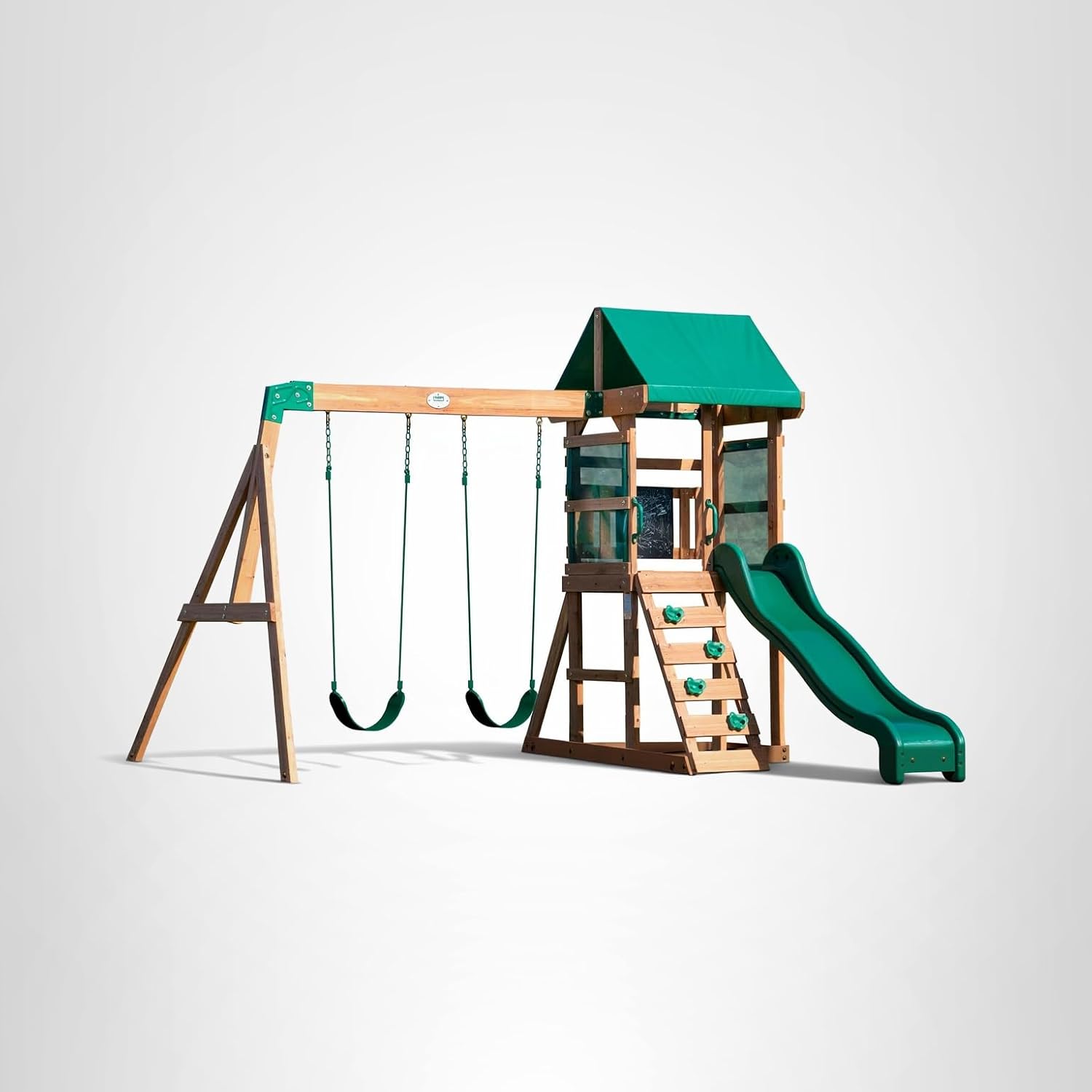
If you’re working with limited space, consider vertical designs or multi-functional playhouses that incorporate slides or climbing walls.
Managing Maintenance
Regular maintenance is crucial. Choose low-maintenance materials and establish a cleaning routine to keep the playhouse safe and inviting.
Ensuring Safety
Regularly inspect the playhouse for wear and tear. Tighten loose screws, repaint, and check for splinters or other hazards.
Real-World Examples and Case Studies
The Thompson Family’s Eco-Friendly Playhouse
In 2026, the Thompson family opted for an eco-friendly playhouse made from recycled materials and featuring solar-powered lighting. This not only minimized their environmental footprint but also taught their children valuable lessons about sustainability.
A Community-Driven Project
In Maplewood, a community came together to build a shared playhouse in the local park. This project not only provided a safe play space but also strengthened community bonds and encouraged collaborative play among children.
FAQs
What materials are best for an outdoor playhouse?
Opt for sustainable, weather-resistant materials like cedar, which is naturally rot-resistant, or recycled plastics that offer durability.
How can I ensure my playhouse is safe?
Incorporate safety features such as rounded edges, non-toxic paints, and secure foundations. Regular inspections are also key to maintaining safety.
Can I build a playhouse in a small yard?
Absolutely! Consider compact or vertical designs that maximize space without sacrificing play opportunities.
How do I maintain my playhouse?
Regular cleaning and inspections, along with timely repairs, will keep your playhouse in top shape. Use weatherproof finishes to protect against the elements.
Is it expensive to build a playhouse?
Costs vary based on size, materials, and design. Setting a clear budget and planning ahead can prevent overspending.
Conclusion and Call-to-Action
Building an outdoor playhouse can be a rewarding experience that enhances your child’s playtime while promoting creativity, physical activity, and social skills.
Avoid common mistakes in outdoor playhouse design by planning carefully, prioritizing safety and durability, and engaging your child in the process.
Ready to create the perfect playhouse?
Start planning today and watch your child’s imagination soar!